
What to Know Before Moving to Traverse City, MI
Traverse City has a way of surprising people. Those who visit for a weekend during cherry season or in the thick of summer often leave wondering how they managed to live somewhere else for so long. But a move to Traverse City is a different kind of commitment than a vacation, and the people who thrive here tend to be the ones who came in with a clear sense of what northern Michigan life is actually like across all four seasons. This guide is meant to give you that honest picture, along with some practical information about what to expect as you get oriented in a new community. You can also check our new resident checklist for a quick-reference version of the essentials.
What Makes Traverse City Different
Traverse City sits at the southern end of Grand Traverse Bay on Lake Michigan, surrounded by some of the most consistently praised natural scenery in the Midwest. The water is the defining feature of life here, and the relationship between the community and the bay shapes everything from summer weekends to the local economy to the way longtime residents talk about the place. It is a genuinely beautiful area, and that beauty is not incidental to daily life the way natural surroundings can sometimes be in a busy city. People here use it constantly. Our Explore Traverse City page covers many of the highlights worth knowing about before you arrive.
The downtown is walkable, eclectic, and actively maintained by a community that cares about it. The restaurant and food scene is disproportionately good for a city of this size, reflecting both the agricultural richness of the surrounding region (Traverse City and the area around it produce a significant portion of the country's tart cherries, and the wine and orchard culture reflects this) and a local culture that places real value on quality food and local sourcing. There is live music, a film festival, a thriving farmers market, and a downtown that feels alive year-round rather than only in season.
Understanding the Seasons
Anyone moving to northern Michigan should come in with realistic expectations about winter. Traverse City does get snow, and the lake effect from Lake Michigan means that accumulation can be substantial. The winter runs from roughly November through March, with the coldest and snowiest stretches typically in January and February. Roads are maintained and the community is entirely oriented toward functioning normally through winter weather, but if you have not lived in a northern climate before, the adjustment in the first year can be meaningful.
What many newcomers do not expect is how much there is to do in winter. Cross-country skiing, snowshoeing, ice fishing, and winter hiking are all active local pursuits, and the community does not shut down or go into hibernation during the cold months. The Sleeping Bear Dunes National Lakeshore, which is one of the most visited national parks in the country during summer, offers a completely different and equally striking experience in winter. People who embrace winter activities tend to find that Traverse City's appeal does not diminish when the warm weather ends. Read more about what the Traverse City lifestyle looks like through all four seasons.
Spring and fall are equally worth noting. The fall color in northern Michigan is extraordinary, arriving in earnest in late September and peaking through mid-October, and the fall season brings a more relaxed pace to a community that can feel busy during peak summer. Spring comes slowly but is celebrated genuinely when it arrives, and the first warm weekends draw people outdoors immediately.
Healthcare and Services
One of Traverse City's genuine practical advantages for people relocating from larger urban areas is Munson Medical Center. Munson is a regional referral center that serves a large portion of northwestern lower Michigan and offers a level of medical capability that smaller communities of this size do not typically have. Specialty care, surgical services, and emergency medicine are all available locally, which matters meaningfully for quality of daily life and for anyone with ongoing healthcare needs.
The broader services infrastructure in Traverse City is solid. Major grocery chains are present alongside a well-developed local food ecosystem. There is a regional airport, Cherry Capital Airport, with direct connections to major hubs, which matters for anyone who travels for work or visits family regularly. The community has grown steadily over the past decade, and the services infrastructure has grown with it.
Housing in Traverse City
Housing is one of the most significant practical considerations for anyone moving to Traverse City. The area has become considerably more expensive over the past several years, driven in part by demand from remote workers and retirees relocating from larger metropolitan areas. Single-family homes in desirable neighborhoods have appreciated substantially, and the rental market reflects similar pressure.
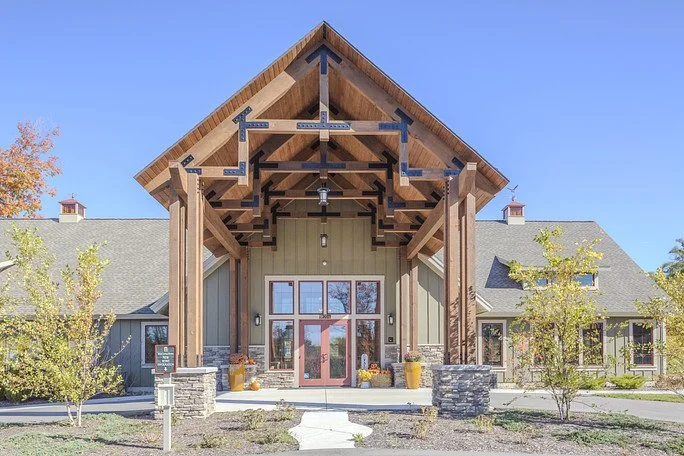
For people moving to Traverse City with an eye toward a lower overall cost of living, manufactured home communities like Alta Vista Living represent a genuinely different kind of option. Alta Vista's homes start at $274,999, with lot rent as low as $575 a month, and the community itself sits on 80-plus acres just east of Traverse City with access to a full range of community amenities including The Lodge, a pool, an exercise room, and a pickleball court. It is not a compromise; it is a different way of entering a market that has become difficult for conventional homebuyers at many price points. Browse available homes and read through the living at Alta Vista FAQ to get a clear sense of what life here involves.
Getting to Know the Community
One of the things that consistently surprises people who move to Traverse City is how quickly they feel like they belong. It is a community with a strong local identity and a genuine interest in welcoming people who are choosing to be here. The downtown, the farmers market, local events, and the natural spaces that pull people together regularly all create the kind of organic social infrastructure that makes building a new life in a new place feel less daunting than it might otherwise.
If you are seriously considering a move and want to get a ground-level sense of what Traverse City is like as a place to actually live, the best thing you can do is spend a few days here outside of peak summer season. Come in October for the fall color, or in February to see how the community operates in winter. Talk to people who live here year-round. That conversation will tell you more than any guide can. When you are ready to take the next step, reach out to our team and we will be happy to show you around.